

























Logo
Start Your Education
Journey In Australia
Start Your Education
Journey In Australia

Start Your Education
Journey In Australia

Refining Tomorrow’s Leaders Through World Class Education Services

Empowering international students with expert admission guidance, scholarship support, and lifelong mentorship to achieve academic success in Australia’s leading institutions.

Access to 500+ Institutionsstar120+ universities worldwidestarInstantly apply and receive offersstarPersonalized RecommendationsstarAccess to 500+ Institutionsstar120+ universities worldwidestarInstantly apply and receive offersstarPersonalized RecommendationsstarAccess to 500+ Institutionsstar120+ universities worldwidestarInstantly apply and receive offersstarPersonalized Recommendationsstar
Why Choose Premium Education Consultancy Services
Your Trusted Partner for Study Abroad Success

I've trusted Premim for a year, and their expert guidance in education consultancy is exceptional. Their services are top-notch, and their support is always reliable. I highly recommend Premim to anyone looking to achieve their educational goals.

Health Insurance 

Health Insurance 

Health Care Service provides professional medical guidance and support to ensure patients receive the best possible care. Our team connects individuals with qualified healthcare providers, helping them access personalized treatment plans, preventive care programs, and wellness solutions tailored to their unique needs.

Health Insurance 
Admission Guidance

Admission Guidance

Premium Education Consultancy Services helps students identify and secure placement in institutions and programs that best match their career goals, academic achievements, and personal interests.

Admission Guidance
Scholarship Support

Scholarship Support

Our team assists students in exploring and applying for scholarships, helping them maximize opportunities to reduce financial barriers.

Scholarship Support
Access to 500+ Institutions

Access to 500+ Institutions

Wide range of top-tier universities and colleges worldwide to find the perfect fit for your goals.

Access to 500+ Institutions
Pre- and Post-Arrival Support

Pre- and Post-Arrival Support

From pre-departure preparation to settling into life in Australia, we provide resources and guidance for a seamless transition, including accommodation support and cultural orientation.

Pre- and Post-Arrival Support
Health Insurance 

Health Insurance 

Health Care Service provides professional medical guidance and support to ensure patients receive the best possible care. Our team connects individuals with qualified healthcare providers, helping them access personalized treatment plans, preventive care programs, and wellness solutions tailored to their unique needs.

Health Insurance 
Admission Guidance

Admission Guidance

Premium Education Consultancy Services helps students identify and secure placement in institutions and programs that best match their career goals, academic achievements, and personal interests.

Admission Guidance
Scholarship Support

Scholarship Support

Our team assists students in exploring and applying for scholarships, helping them maximize opportunities to reduce financial barriers.

Scholarship Support
Access to 500+ Institutions

Access to 500+ Institutions

Wide range of top-tier universities and colleges worldwide to find the perfect fit for your goals.

Access to 500+ Institutions
Pre- and Post-Arrival Support

Pre- and Post-Arrival Support

From pre-departure preparation to settling into life in Australia, we provide resources and guidance for a seamless transition, including accommodation support and cultural orientation.

Pre- and Post-Arrival Support

Digital agency services built specifically for your business

Big Image
About Us
Achieve More with PECS: Turning Ambitions into Reality

 Premium Education Consultancy Services (PECS) helps international students achieve their academic and personal dreams in Australia.

EDUCATION CONSULTANCY SERVICES

90%
Icon
Admission Guidance
Services related to financial record-keeping, bookkeeping.
Icon
Scholarship Support
Assistance with HR-related tasks such as recruitment.
Icon
Pre-and Post-Arrival Support
Empowering Students with Expert Guidance for a Seamless Journey to Australia's Top Institutions.

Unlocking Opportunities, Transforming Futures

Explore Popular 500+ Institutions

Kaplan Business School

Kaplan Business School

Brisbane

Trinity Institute Australia

Trinity Institute Australia

Sydney

KENT Institute Australia

KENT Institute Australia

Sydney

University of Queensland

University of Queensland

Brisbane

Monash University

Monash University

Melbourne

The University of Notre Dame

The University of Notre Dame

Sydney

Griffith University

Griffith University

Brisbane

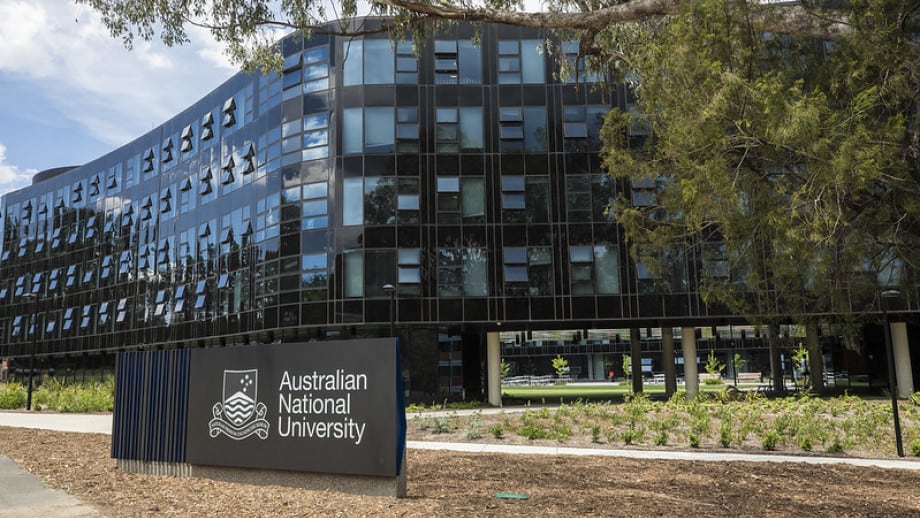
The Australian National University

The Australian National University

Canberra

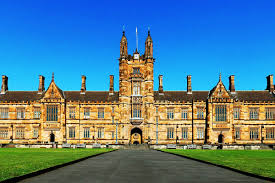
The University of Sydney

The University of Sydney

Sydney

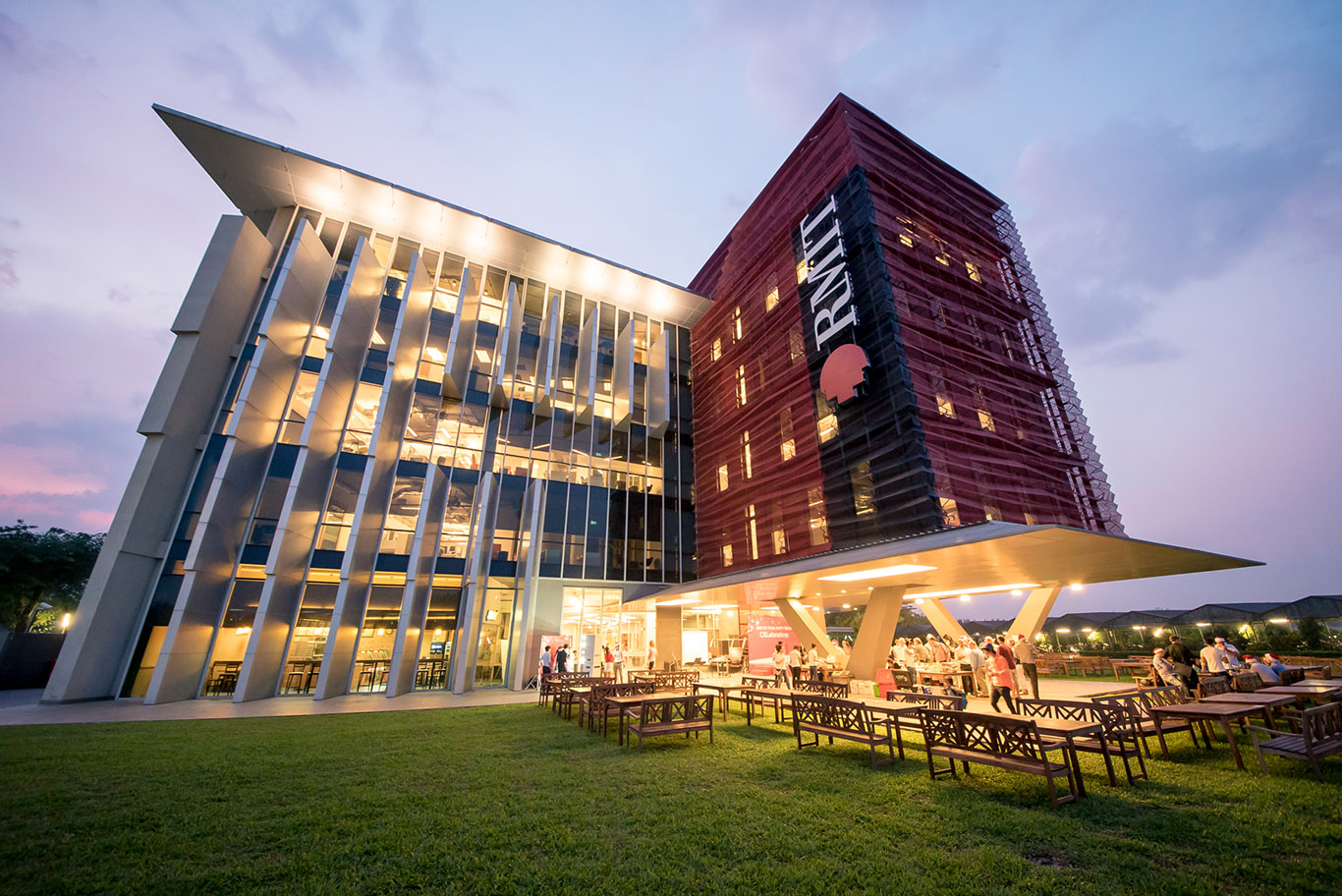
Royal Melbourne Institute of Technology

Royal Melbourne Institute of Technology

Melbourne

Why Choose Us

Developing a design that is easy to use and navigate

Guiding Students Every Step of the Way: From Selecting the Perfect Program to Securing Admission and Settling in Australia with Expert Legal, Compliance, and Creative Support.

Creating a user friendly design
Expert  developers
Expert developers
Creative digital agency
Digital agency services
Happy female student
Testimonial

What They’re Saying?

Providing legal advice, contract drafting, compliance assistance, intellectual property protection, and other legal support for businesses.

Darlene Robertson
I've been using [business name] for the past year and I'm so glad I did. Their products and services are top-notch and their customer service is amazing. I would highly recommend them to anyone

Darlene Robertson

Bangladesh

Darlene Robertson
I've been using [business name] for the past year and I'm so glad I did. Their products and services are top-notch and their customer service is amazing. I would highly recommend them to anyone

Darlene Robertson

Singapore

Darlene Robertson
I've been using [business name] for the past year and I'm so glad I did. Their products and services are top-notch and their customer service is amazing. I would highly recommend them to anyone

Darlene Robertson

South Africa

Contact With Us

Let’s Work Together?

Providing legal advice, contract drafting, compliance assistance, intellectual property protection, and other legal support for businesses.

Have Any Question?

Have Any Question?

+61 478 111 196

Send Email

Send Email

admission@premiumeducation.com.au

Address

Address

Australia: Level 26, 44 Market Street, Sydney

Contact Us

Partner 0
Partner 1
Partner 2
Partner 3
Partner 4
Partner 5
Partner 6
Partner 7
Partner 8
Partner 9
Partner 10
Partner 11

Find The Blogs

Find Out Latest News
and Articles

What is the Genuine Student (GS) Test? – Australian Student Visa (Subclass 500) - Directions 106 & 108
Digital Solutions

What is the Genuine Student (GS) Test? – Australian Student Visa (Subclass 500) - Directions 106 & 108

The Genuine Student (GS) test assesses whether an applicant genuinely intends to enter and stay in Australia temporarily for the primary purpose of studying, and not to use the Student visa to maintain ongoing residence or circumvent the migration program.

This requirement is highly discretionary and is assessed case-by-case by visa decision makers and, if applicable, the Administrative Review Tribunal. A well-prepared GS statement is therefore critical.


The 5 Required Headings in a Genuine Student Statement

1. Applicant’s Current Personal and Economic Circumstances

This section explains the applicant’s background and ties to their home country.

It should cover:

  • Family ties (parents, spouse, children, dependants)
  • Community and social connections
  • Employment history and current occupation
  • Economic circumstances, assets, or business interests
  • Any obligations or incentives to return home after study

Purpose:
To demonstrate that the applicant has strong reasons to return to their home country and is not seeking to remain in Australia indefinitely.


2. Reasons for Choosing Australia, the Course, and the Education Provider

This section explains why Australia and why this specific course and provider.

It should address:

  • Why the course is not undertaken in the home country or region (if similar courses exist)
  • Reasons for choosing Australia over other countries
  • Why this particular education provider was selected
  • Understanding of:
    • Course structure and duration
    • Entry and academic requirements
    • Study obligations
    • Living conditions and costs in Australia

Purpose:
To show that the applicant has made a genuine, informed, and well-researched education choice, not a migration-driven decision.


3. Value of the Course to the Applicant’s Future

This section focuses on career progression and outcomes.

It should explain:

  • How the course aligns with the applicant’s:
    • Previous education
    • Work experience
    • Career plans
  • How the qualification will:
    • Improve employment prospects
    • Support career advancement or business growth
  • Expected employment outcomes in:
    • Home country, or
    • A third country (not Australia)
  • Comparative remuneration expectations (home country vs Australia)

Purpose:
To demonstrate that the course has clear and realistic value for the applicant’s future outside Australia.


4. Immigration History and Compliance Record

This section addresses the applicant’s visa and travel history.

It should include:

  • Previous Australian visa applications and outcomes
  • Compliance with visa conditions (Australia and other countries)
  • Any visa refusals, cancellations, or overstays (with explanations)
  • Time previously spent in Australia (if any)
  • Confirmation that the applicant has not used student visas to maintain long-term residence
  • If applicable, confirmation that any relationship (spouse/dependant) is genuine and not contrived for visa purposes

Purpose:
To establish the applicant’s credibility, compliance, and respect for migration laws.


5. Other Relevant Information and Supporting Factors

This is a flexible section to address any additional matters, including:

  • Financial capacity and genuine access to funds
  • Sponsor’s employment and income
  • Scholarships or government support
  • Special circumstances (e.g. political instability, career change)
  • For minors: intentions of parents or legal guardians
  • Any concerns that may arise from the application profile

Purpose:
To proactively address potential concerns and strengthen the overall genuineness of the application.


How Decision Makers Assess the Genuine Student Test

Under Directions 106 and 108, decision makers will generally consider:

  • The applicant’s personal and economic circumstances
  • Immigration history and compliance
  • For minors: intentions of parents or guardians
  • Whether the Student visa is being used to maintain ongoing residence
  • Ties to Australia vs ties to home country
  • Knowledge of the course, provider, and living arrangements
  • Financial capacity and genuine access to funds
  • Any other relevant information available

Read More
What is Financial Capacity on Australian Student Visa (Subclass 500) - Meaning & Evidence Requirements:
Technology

What is Financial Capacity on Australian Student Visa (Subclass 500) - Meaning & Evidence Requirements:

Financial capacity refers to an applicant’s ability to genuinely access sufficient funds to support themselves (and any accompanying family members) while studying in Australia. All student visa applicants must declare access to adequate funds, and may be required to provide documentary evidence to support this declaration.

How Financial Capacity Can Be Demonstrated

An applicant can meet the financial requirement in one of the following ways:

Evidence of Available Funds

Funds must cover:

  • Travel costs to Australia
  • First 12 months of living costs
  • Tuition fees for the first year of study
  • School fees for school-aged dependants (if applicable)

Indicative minimum amounts:

  • Living costs (per year):
    • Student: $29,710
    • Partner: $10,394
    • Child: $4,449
  • School fees for dependants: $13,502 per year (unless exempt, e.g. PhD or Australian Government scholarship students)
  • Tuition fees (approx.):
    • Vocational courses: from $10,000 per year
    • Tertiary courses: from $40,000 per year


(Students are advised to demonstrate more than the minimum required fund for the visa especially if you are applying from a high-risk country.)

The types of evidence that are permitted are:

·                  Money deposit(s) with a financial institution (bank statements, term or fixed deposits etc)

·                  Loan with a financial institution (credit cards or line of credit facility are only acceptable if funds are withdrawn)

·                  Government loan

·                  Scholarship or financial support

·                  Property items are not acceptable.

(Must be from an acceptable financial institution, country dependent)

Students do not need to show fund for Australian Student Visa: If

  • Evidence that student meets the annual income requirement (gross personal taxable income of student’s parents combined excluding in-laws, or spouse not joining the student for not less than $87,856 per year, or $102,500 if come with dependents); or
  • An Acceptance Advice of Secondary Exchange Students (AASES) form (secondary exchange students only); or
  • A letter of support from the Department of Foreign Affairs and Trade or Department of Defence.


Genuine Access to Funds

For a successful visa outcome, students must demonstrate that they have genuine access to these funds.  The decision makers will look at the following:

  • The employment history of the applicant/person providing the funds.
  • The income and assets of the applicant/person providing the funds.
  • The source of the income used to meet the financial requirements (for example, if the student is relying upon funds from a third party i.e. a family friend), and the nature of the relationship between the applicant and the person providing the funds.
  • If the person providing the source of income has provided financial support for another student.
  • If the student has previously been granted a visa, any information in relation to their ability to meet their financial requirements while they were in Australia.
  • The immigration activities in Australia of other nationals from the applicant’s home country.

(Applicants are advised to provide genuine and persuasive evidence demonstrating they have access to these funds. More evidence should be provided in higher risk countries.)

Read More
Australian Student Visa (Subclass 500) – Application Checklist
Technology

Australian Student Visa (Subclass 500) – Application Checklist


1. Persnal & Identity Documents

Valid passport (bio-data page)
National ID card
Birth certificate
Recent passport-sized photographs
Change of name or marriage certificate (if applicable)

2. Education Documents

Academic transcripts (all previous qualifications)
Academic certificates/degree awards
School completion certificates (for higher education applicants)
English translation of documents (if not in English)
Resume / Curriculum Vitae (CV)
Academic progression explanation (if there are gaps or course changes)

3. English Language Requirement

IELTS / PTE / TOEFL / OET / Cambridge test result (if required)
English waiver evidence (if applicable previous study in English)

4. Offer & Enrolment Documents

Letter of Offer from Australian education provider
Confirmation of Enrolment (CoE)
Course details (duration, start date, tuition fees)
Written agreement with education provider (if issued)

5. Genuine Student (GS) Requirement

Genuine Student Statement (addressing 5 GS headings)
Statement explaining:

  • Choice of course
  • Choice of education provider
  • Career outcomes
  • Ties to home country
  • Immigration history
    Supporting evidence (employment letters, business documents, career plans)\

6. Financial Capacity Evidence

(Must show genuine access to funds)

Bank statements (last 6–12 months)
Fixed/term deposit certificates
Education loan approval letter (if applicable)
Scholarship or sponsorship letter (if applicable)
Income evidence of sponsor (salary slips, tax returns, business documents)
Relationship evidence with financial sponsor

Minimum financial benchmarks (indicative):

  • Student living cost: $29,710 per year
  • Partner: $10,394 per year
  • Child: $4,449 per year
  • School fees for child: $13,502 per year
  • Tuition fees (first 12 months)
  • Travel costs

7. Health & Character Requirements

Overseas Student Health Cover (OSHC) – covering full visa period
Health examination (HAP ID & medicals, if requested)
Police Clearance Certificate (PCC) all countries lived in 12+ months
Character declaration (online)

8. Immigration History

Details of previous Australian visas (if any)
Previous visa refusal letters (Australia or other countries, if any)
Travel history summary
Explanation letter (if any non-compliance or refusals)

9. Accommodation & Living Arrangements

Accommodation confirmation (student housing / homestay / rental)
Temporary accommodation plan (if permanent not yet secured)
Address details in Australia (if available)

10. Visa Application Documents

Completed online Student visa (subclass 500) application
Visa application fee payment receipt
Form 956 (if using a migration agent)
Form 1221 / online declarations (if applicable)

Additional Checklist – If Applying with Spouse / Dependants

For Spouse / Partner

Marriage certificate or de facto relationship evidence
Relationship evidence (photos, joint finances, communication history)
Partners passport & ID
Partners PCC
Partners health insurance (included in OSHC)
Evidence of additional financial capacity

For Child / Children

Birth certificate
Passport
School enrolment details (if school-aged)
Additional OSHC cover
Evidence of school fees funds

Important Practical Tips

All documents must be clear, genuine, and consistent
Explain study gaps, course changes, or refusals clearly
Provide more financial evidence if applying from a higher-risk country
Ensure GS statement aligns with financial, academic, and immigration history
Avoid contradictions across documents


Read More
Australian Student Visa Interview Questions and Answers
Digital Solutions

Australian Student Visa Interview Questions and Answers

Securing an Australian Student visa (subclass 500) is a crucial step and while not all applicants are interviewed, visa interviews are increasingly used, particularly for applicants from higher-risk profiles.

The interview assesses whether you are a Genuine Student, not your ability to memorise answers. This guide outlines commonly asked interview questions, model answer guidance, and practical tips to help you succeed.

Most Asked Australian Student Visa Interview Questions

1. General Questions

Tell us about yourself and your educational background.

Focus on your academic journey, qualifications, and relevant achievements. Briefly explain how your education and experiences led you to pursue further studies in your chosen field. Highlight any projects, work experience, or awards that demonstrate commitment and progression.

Why did you choose to study in Australia?

Australia is internationally recognised for its high-quality education system, globally ranked institutions, and practical, industry-focused learning. You should explain how Australia aligns with your academic goals, career pathway, and learning style. Avoid generic responses—show you have researched Australia as a study destination.

Why did you select this particular course and university?

Explain how the course aligns with your previous studies and future career goals. Mention:

  • Course structure and key subjects
  • Practical or industry-based learning
  • Reputation of the university and faculty expertise

Demonstrate that your choice is well-researched and logical, not random.

What are your career aspirations after completing your studies?

Clearly explain your post-study plans, preferably outside Australia. Outline how the qualification will help you:

  • Advance your career
  • Secure employment
  • Develop specialised skills
  • Contribute to your industry or business in your home country or a third country

How will you finance your studies and living expenses in Australia?

Explain your financial plan clearly, such as:

  • Personal or family savings
  • Education loan
  • Scholarship or sponsorship

You must show that you understand tuition fees and living costs and have genuine access to sufficient funds.

Where will you be staying during your studies in Australia?

Describe your accommodation arrangements, such as:

  • University accommodation
  • Homestay
  • Private rental

Demonstrate that your living arrangements are realistic, affordable, and convenient for your studies.

What do you know about Australian culture and lifestyle?

Show awareness of:

  • Australia’s multicultural society
  • Student-friendly environment
  • Respect for laws and visa conditions
  • Work-study balance and lifestyle

This shows preparedness and genuine intent to integrate responsibly.

Do you have any relatives or friends in Australia?

Answer honestly. If yes, explain the relationship and location. Avoid overstating dependence or intention to rely on them permanently.

Have you visited Australia before?

If applicable, provide details of:

  • Purpose of visit
  • Duration
  • Compliance with visa conditions

A good compliance history strengthens your application.

2. Course and University-Related Questions

Can you explain your chosen course in detail?

Demonstrate knowledge of:

  • Core subjects
  • Duration and qualification outcome
  • Practical components or internships

This shows you are genuinely interested in studying, not just migrating.

What are the career prospects after completing this course?

Explain realistic employment outcomes using:

  • Industry demand
  • Skills gained
  • Relevance to your home country or region

Avoid implying guaranteed work in Australia.

Have you considered other courses or universities?

You may acknowledge alternatives but explain why this option best fits your academic and career objectives.

3. Financial and Living Arrangement Questions

Can you explain your financial sources in detail?

Be prepared to explain:

  • Who is funding you
  • Their occupation and income
  • Supporting documents (bank statements, loan approvals)

Consistency with your visa application is critical.

How much do you expect to spend monthly?

Provide a realistic estimate covering:

  • Rent
  • Food
  • Transport
  • Utilities
  • Personal expenses

This shows financial awareness and planning.

What is your backup plan if accommodation is unavailable?

Mention short-term options such as:

  • Temporary student housing
  • Hostels
  • University support services


4. Genuine Student (GS) / Former GTE-Type Questions

Why will you return to your home country after completing your studies?

Highlight strong ties such as:

  • Family responsibilities
  • Career opportunities
  • Business or employment prospects
  • Cultural and social ties

This is one of the most critical questions.

How will you contribute to your home country?

Explain how your Australian qualification will help you:

  • Improve industry standards
  • Transfer skills and knowledge
  • Support economic or professional development

What opportunities exist in your field in your home country?

Demonstrate awareness of:

  • Job market demand
  • Industry growth
  • Government or private sector opportunities

Can you explain your strong ties to your home country?

Discuss:

  • Family
  • Property or assets
  • Employment or business plans
  • Long-term goals

The officer must be satisfied that you do not intend to remain in Australia indefinitely.

Practical Tips for a Successful Visa Interview

  • Dress professionally and maintain eye contact
  • Be calm, confident, and polite
  • Answer honestly—never exaggerate or misrepresent
  • Avoid memorised or scripted answers
  • Ensure consistency with your visa application and GS statement
  • Ask for clarification if you do not understand a question
Read More
Study in Australia 2025: Expert Advice, Opportunities & Visa Guide
Business & Finance

Study in Australia 2025: Expert Advice, Opportunities & Visa Guide

Study in Australia 2025: Expert Advice, Opportunities & Visa Guide

Australia positioned itself as one of the best choices for studying abroad for its world-class education system with global reputation, multicultural environment and post-study work opportunities. Without having doubts, international students prefer Australia as one of their best choices to complete their studies abroad.

However, preparing to study overseas might be like a little bit rocket science. There is a lot to consider, from selecting the appropriate course to comprehending living expenses and visa requirements.

In this complete guide, you will explore about every step of your journey. Everything you need is right here, whether your goal is to enroll in one of the best Australian institutions or you want to know what your possibilities are once you graduate.


Why choose Australia over other countries in 2025?


World-Class Education with Global Recognition

Australia hosts a world-class educational system that has global reputation for its effectiveness. Graduates from Australian universities come up with the skills necessary to succeed in an international workforce by focusing on research, innovation, and industry-relevant learning. The Australian Qualifications Framework (AQF) ensures that degrees have to be  standardized, officially recognized, and respected worldwide across all fields of study.


  • World-class universities: 9 Australian universities are in the top 100 (QS 2025).

  • Gain real-world experience: Internships, placements, and industry projects included in courses.

  • Build job-ready skills: Hands-on learning that develops practical expertise and professional connections.

  • Boost career prospects: Graduate with a competitive edge that employers value


After graduation pathways

After completing studies, international students are able to remain and work in Australia with the Subclass 485 Post-Study Work Visa. This opportunity has future chances for permanent residency while providing a useful route to obtain foreign work experience.

  • Depending on your degree, stay and work for two to six years.

  • Gain experience in your area to improve your PR application.


Cultural Diversity

The cultural diversity of Australia provides international students with a warm, multicultural setting that is full of languages, cuisines, and customs from all over the world, creating a vibrant and creative environment. Due to Australia's rich Indigenous history, colonial past, and massive post-colonial immigration, more than 200 languages are spoken there, and a variety of cultural customs influence day-to-day living.


Top Universities in Australia for International Students 


According to QS World University Rankings 2025, Nine Australian universities made it into the top 100 with UNSW Sydney coming in at number 19, the University of Melbourne at number 13, and the University of Sydney at number 18. This exceptional achievement demonstrates Australia's standing as a top choice for overseas students looking for both academic success and international experience.


Living and Studying expenses in Australia in 2025


Tuition Fees by Program Type


Program Level

Average Annual Fees (AUD)

Undergraduate

20,000 – 45,000

Postgraduate

22,000 – 50,000

Vocational Courses

4,000 – 20,000


Living Expenses


Expense Category 

Average Cost Per Month (AUD) 

Accommodation 

AUD $600 – AUD $2,000 (shared apartments to private rentals) 

Food & Groceries 

AUD $780 

Public Transport Pass 

AUD $90 – AUD $220 

Utilities (Electricity, Water, Internet, etc.) 

AUD $150 - AUD $250 

Entertainment & Social Activities 

AUD $320 – AUD $600 

Books and Study Materials 

AUD $500 – AUD $1,000 per year 


How Much Does It Really Cost to Study in Australia as an International Student?


The average annual cost of tuition and living expenses for international students studying in Australia is between AUD 20,000 and AUD 50,000, that will be determined by your course, institution, and lifestyle choices. Relying on the level of study, tuition costs range could be from AUD 4,000 to over AUD 50,000. Budgeting for living expenses like housing, food, health insurance, and daily bills is also necessary. Even though the cost may seem high, many students believe that Australia's opportunities, international recognition, and high-standard education make the investment worthwhile.


Is Australia Still a Good Choice for International Students in 2025?


Yes, Australia remains a top destination for international students in 2025 because of its excellent educational system, diverse range of career options, and exciting lifestyle, which makes studying abroad fulfilling and pleasurable.

What Are the Key Visa Requirements for International Students in Australia?


Securing an Australian student visa can seem complex, it can be easily handled by adhering to a set procedure. The essential steps to help you prepare your application are outlined in this guide.


  1. Letter of Offer / Confirmation of Enrolment (CoE)

    • You must first be accepted into an Australian course and receive a Confirmation of Enrolment (CoE) from your university, college, or school.

  2. Valid Passport

    • Your passport should be valid for the entire duration of your stay in Australia.

  3. Student Visa Application (Subclass 500)

    • Apply online through the Department of Home Affairs website for the Subclass 500 Student Visa.

  4. Genuine Temporary Entrant (GTE) Statement

    • You need to provide a written statement showing that your intention to study in Australia is genuine and temporary.

  5. Proof of Financial Capacity

    • Show evidence that you can cover tuition fees, living expenses, and travel costs.

    • As of 2025, this typically means around AUD 24,505 per year for living costs (not including tuition).

  6. Overseas Student Health Cover (OSHC)

    • You must purchase OSHC for the entire length of your visa. This ensures access to healthcare while studying in Australia.

  7. English Language Proficiency

    • Provide proof of English ability through tests like IELTS, TOEFL, or PTE Academic, unless exempt.

  8. Health and Character Requirements

    • Undergo medical examinations if required.

    • Submit police clearance certificates to show good character.

  9. Visa Fee Payment

    • Pay the visa application fee (around AUD 710 for Subclass 500, subject to change).

  10. Decision and Visa Grant

  • Once approved, you’ll receive your visa grant notification with details about conditions and validity.


Can International Students Work While Studying in Australia?

Yes, you can work while studying in Australia on a student visa (subclass 500). You can work up to 48 hours every two weeks during the school year and as many hours as you want during scheduled holiday breaks. It's very important to follow the work rules on your visa. If you don't, you could lose your visa.


FAQs


  1. What are best courses in australia for international students?


Answer: Best course in Australia are often those that lead to high demand in the job market and offer pathways to permanent residency, including Nursing and Healthcare, Engineering, Computer Science, Accountancy, Education, and Construction.


  1. How much bank balance is required for Australia student visa?

Answer: For an Australian student visa, you are generally required to show AUD $29,710 per year in savings to cover living expenses, in addition to your course and travel costs.


  1. What is the age limit of getting Australia Student Visa? 

Answer: There is no age limit of getting Australia Student Visa.


  1. What is the fee for an Australian student visa?

Answer: The fee for an Australian Student Visa (Subclass 500) is AUD 2,000 as of July 1, 2025, plus any applicable additional costs.


  1. Can I get work visa after studying in Australia?

Answer: Yes, you can apply for a Post-Study Work visa (subclass 485) after graduating from a qualifying Australian education provider.


Conclusion

After exploring all these aspects, pursuing studies in Australia can be highly rewarding. Australia genuinely has it all, from internationally recognized degrees and top-notch universities to a lively lifestyle and exciting career opportunities.


Kickstart your journey now—find scholarships, consult professionals, and make your dream of studying in Australia a reality. We'll be by your side when you're prepared to make the leap.

Read More
Get a few solutions to hire a best candidate
Digital Solutions

Get a few solutions to hire a best candidate

Top Student Cities in Australia 2025: Affordable & Diverse


Australia is renowned as a top destination for studying abroad for its world-class education with global reputation, cultural diversity and post-study opportunities, but choosing the right city can often feel overwhelming.

In this article, we’ll explore the Top Student Cities in Australia for international students by focusing on affordability and cultural diversity. 

Here are Top 4 Cities in Australia for International Students

Adelaide

Adelaide is the one of the most affordable cities in Australia, providing a lower cost of living while maintaining the same excellent standard of living and education as other major cities—living expenses are 20% higher in Sydney, 19% higher in Melbourne, 8% higher in Brisbane, and 9% higher in Perth. Adelaide is centrally located and easily accessible from the rest of the country, situated halfway between Sydney and Perth. With roughly 45% of its citizens being foreign-born, representing over 214 nations, and speaking 248 languages, it is also a thriving multicultural center.


Perth

Although living expenses still average about AU$2,000 per month, Perth provides international students with a more affordable lifestyle than places like Melbourne. While schools like Curtin University offer more affordable tuition options and scholarships, many students use part-time work to help offset expenses. Perth, which is well-known for its rich cultural diversity, is home to people from more than 200 nations who speak 240+ languages and follow 130+ different religions, forming a thriving, interconnected community.


Wollongong

With much cheaper rental prices than major cities like Sydney and Melbourne, Wollongong is a friendly and reasonably priced place to study. Students can live comfortably without breaking the bank thanks to weekly living expenses that average between $460 and $535 per person and include rent, food, bills, transportation, and personal necessities. In addition to being reasonably priced, Wollongong boasts a diverse population with people from a wide range of ethnic backgrounds, a wide range of languages spoken, and customs commemorated through multicultural services and events like Culture Mix. The city is inclusive and reasonably priced because of the strong community support for immigrants and refugees. 


Hobart

With the lowest housing costs among Australian university cities, Hobart is a great option for students looking for a more economical city. Hobart offers top-notch education in a friendly setting as the location of the University of Tasmania (UTAS), which enrolls about 20,000 students, many of whom are from abroad. With significant Chinese and Indian communities and more than 50 languages spoken, the city also exhibits growing cultural diversity, making it both affordable and internationally connected.


Conclusion

Your study abroad experience can be greatly impacted by your choice of Australian city. International students can locate a city that not only fits their budget but also provides a lively and friendly atmosphere by taking into account both affordability and cultural diversity. The top four cities in this guide offer the ideal mix of cultural experiences, job opportunities, and student-friendly living. Plan your trip now to get the most out of your time studying in Australia!


Read More
Pre-Departure Checklist for Travelling to Australia on a Student Visa
Technology

Pre-Departure Checklist for Travelling to Australia on a Student Visa

This pre-departure checklist is designed to help you prepare for your journey to Australia and ensure a smooth transition into your studies and life abroad. 

1. Passport 

Ensure your passport is valid for at least six months beyond your intended arrival date in Australia. 
It is strongly recommended that you make a photocopy or digital copy of your passport and leave it with a trusted family member in case of emergency. 

2. Student Visa 

Confirm that you have been granted a valid Australian student visa before making travel arrangements. Carry all important visa documents with you, including your Confirmation of Enrolment (CoE/eCoE), grant notification, and any related correspondence. 

3. Flights 

Book your flight to arrive in Australia well before your course commencement date, allowing time to settle in and attend orientation. Only book flights after your student visa has been granted. 

4. Travel Insurance 

In addition to your Overseas Student Health Cover (OSHC), consider purchasing travel insurance to cover unexpected events such as flight cancellations, lost baggage, or additional medical expenses. 
Your education or travel agent can assist you in selecting a suitable policy. 

5. Money and Banking 

It is advisable to carry some Australian currency when you arrive. Currency exchange services are available at major international airports. 

Check with your bank to confirm whether your debit or credit card can be used in Australia and whether international withdrawal fees apply. You may also consider opening an Australian bank account, as some banks allow accounts to be set up before arrival. 

6. Accommodation 

You must provide an Australian accommodation address on your Incoming Passenger Card upon arrival.Ensure accommodation is arranged for at least your first few nights before travelling. 

Important: If you are under 18 years of age, you must have approved welfare and accommodation arrangements in place before arriving in Australia, as required by student visa conditions. 

7. Transport to Your Accommodation 

Plan how you will travel from the airport (or train/bus station) to your accommodation. 
Confirm check-in arrangements, including procedures for late-night or early-morning arrivals. 

8. Packing Your Luggage 

Research the climate of your destination city to pack appropriate clothing for the season. 
Bring a travel adaptor suitable for Australian power points. 

Check your airline’s baggage allowance in advance. Purchasing extra baggage online is often cheaper than paying excess fees at the airport. 

9. Hand Luggage Essentials 

Pack essential items in your carry-on luggage in case your checked baggage is delayed, including: 

  • A change of clothes and basic toiletries 

  • Passport and visa documents 

  • Accommodation address 

  • A pen for completing arrival forms 

  • Prescription medications (with documentation if required) 

  • Emergency contact details (family, education provider, and education agent) 

Please note: Liquids, aerosols, and gels must be in containers of 100ml or less. 

10. Arrival in Australia 

On arrival, you will proceed through immigration and customs. 
You will need to complete an Incoming Passenger Card, usually provided during your flight. 

For more details, refer to the Australian Border Force website. 

11. Travel and Border Requirements 

Currently, you are not required to: 

  • Provide proof of COVID-19 vaccination, or 

  • Undertake a COVID-19 test before travelling to Australia. 

However, airline and transit country requirements may differ. Always check with your airline and relevant authorities before departure. 
For the latest updates, visit the Department of Home Affairs website. 

12. Items You Can and Cannot Bring 

Australia has strict biosecurity laws. You must declare any food, plant material, or animal products on arrival. Failure to declare restricted items can result in significant penalties. 

Refer to the Australian Border Force website for detailed information on prohibited and restricted items. 

13. Planning to Work While Studying 

Your student visa allows you to work alongside your studies, subject to visa conditions. 
Working can help you gain valuable experience, improve language skills, and support your living expenses. 
Ensure you understand your work rights and obligations as an international student in Australia. 

Read More

X